
DF MPB2
Control dust closer to the source with the Pramac DF MPB2. It is designed for targeted misting around stockpiles, demolition zones, haul roads and loading areas. Fine water droplets help capture airborne particles and improve visibility around active work areas. Available with application advice from CPS so the water supply, coverage and mobility suit the actual work area.
- 20 m nominal throw distance
- Single-phase 230 V electric operation
- Water consumption of 5.4–8.5 L/min across the published pressure range
- Compact 79 kg package for localised dust control
Industry-leading components, fully supported in Australia

Pramac
Pramac is a leading global manufacturer of stationary and mobile power generation equipment, founded in Casole d'Elsa, Tuscany in 1966. Now part of the Generac group, Pramac engineers diesel, petrol and battery energy storage solutions trusted by rental houses, mining sites and emergency services in over 150 countries.
- Model
- DF MPB2
- Product type
- dust suppression mist cannon
- Power source
- Single-phase 230 V / 50 Hz electric
- Motor power
- 2.2 kW
- Throw distance
- 20 m
- Coverage
- 13 m
- Water consumption
- 5.4–8.5 L/min across 1.0–2.5 bar
- Dimensions
- 985 × 785 × 835 mm (L × W × H)
- Dry weight
- 79 kg
- Application
- Localised site dust control and suppression
- Throw Distance
- 20 m
- Water Tank
- 1000 L
- Water connection / pressure
- Operating pressure shown in water consumption range; confirm inlet connection size for supplied variant
Learn more — Generator School
All guides →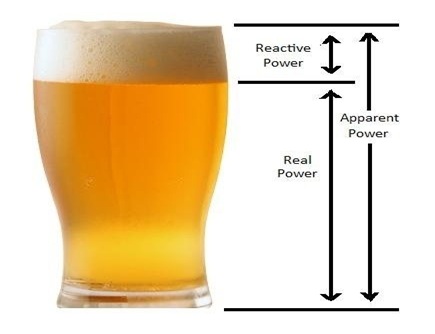
Almost every conversation about generator sizing starts with two numbers: kVA and kW. They sound similar, they're closely related, and they're almost always mis-used. The beer-glass analogy below is the fastest way to get them straight in your head — and once you do, every spec sheet in the catalogue suddenly makes sense.

A generator is really three machines bolted together: an engine, an alternator, and a controller. They each do one job, and they all have to talk to each other for the unit to behave properly.

Almost every customer who asks us 'should I get diesel or petrol?' gets the same answer: it depends on the duty. For occasional camp / weekend use under 8 kVA, petrol is cheaper to buy and lighter to move. For anything that has to start reliably after sitting unused — backup, standby, prime-power — diesel wins, almost always.