
LX MAX 60/125
Use stored energy when it delivers the most value. The Pramac LX MAX 60/125 combines 60 kVA continuous output with 125 kWh of battery storage to support hybrid generators, solar input, quiet-night loads, peak shaving and off-grid power.
Instead of running a diesel generator lightly loaded around the clock, the battery can carry lower-demand periods and allow the generator to operate in more efficient charging cycles. The lithium-ion NMC battery system is packaged for repeatable site use, with the final controls and protection configured around the application.
Talk to Capital Power Systems about a hybrid power package built around your load profile, quiet-hour target and generator runtime goals.
- 60 kVA continuous output with 125 kWh nominal energy capacity
- Li-ion NMC battery with 100 kWh usable energy at 80% DoD
- Advanced energy management and remote monitoring options
- Supports cleaner, quieter site power and reduced generator runtime
Industry-leading components, fully supported in Australia

Pramac
Pramac is a leading global manufacturer of stationary and mobile power generation equipment, founded in Tuscany, Italy in 1966. Now part of the Generac group, Pramac engineers diesel, petrol and battery energy storage solutions trusted by rental houses, mining sites and emergency services in over 150 countries.
- Model
- LX 60/125 Li
- Phase
- Three-phase
- Voltage
- 400/230 V
- Frequency
- 50 Hz
- Power output
- 60 kVA continuous
- Nominal output power
- 60 kVA continuous
- Peak output power
- 120 kW for 5 s
- Nominal energy capacity
- 125 kWh
- Energy capacity
- 125 kWh
- Battery type
- Li-ion NMC
- Battery chemistry / type
- Li-ion NMC
- Usable energy @80% DoD / AC side
- 100 kWh
- Power source
- Battery / Solar
Learn more — Generator School
All guides →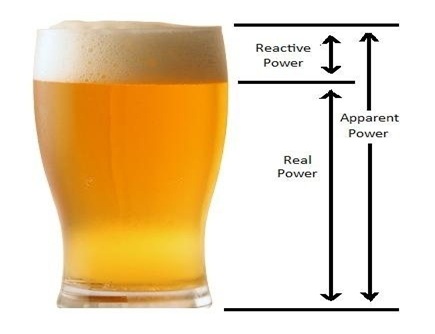
Almost every conversation about generator sizing starts with two numbers: kVA and kW. They sound similar, they're closely related, and they're almost always mis-used. The beer-glass analogy below is the fastest way to get them straight in your head — and once you do, every spec sheet in the catalogue suddenly makes sense.

A generator is really three machines bolted together: an engine, an alternator, and a controller. They each do one job, and they all have to talk to each other for the unit to behave properly.

Almost every customer who asks us 'should I get diesel or petrol?' gets the same answer: it depends on the duty. For occasional camp / weekend use under 8 kVA, petrol is cheaper to buy and lighter to move. For anything that has to start reliably after sitting unused — backup, standby, prime-power — diesel wins, almost always.