
KIT AMF 14 Poles
The NHP/Socomec KIT AMF 14 Poles helps turn separate control and switching components into a coordinated standby-power system.
It is intended for switchboard builds where an AMF or ATS controller must communicate with the compatible transfer equipment. Correct wiring, controller logic and mechanical/electrical interlocking remain essential to the final installation.
CPS can assist with controller selection, switchboard design, generator integration, testing and commissioning.
- AMF/control accessory kit for compatible generator and transfer-switch systems
- Used with compatible AMF controllers and wiring looms
Industry-leading components, fully supported in Australia

Pramac
Pramac is a leading global manufacturer of stationary and mobile power generation equipment, founded in Tuscany, Italy in 1966. Now part of the Generac group, Pramac engineers diesel, petrol and battery energy storage solutions trusted by rental houses, mining sites and emergency services in over 150 countries.

SOCOMEC
SOCOMEC has specialised in the availability, control and safety of low-voltage electrical networks since 1922. Its ATyS automatic transfer switching equipment is designed for controlled changeover between power sources, including mains-to-generator applications. Capital Power Systems can help select the correct SOCOMEC transfer switch, control arrangement and integration package for the generator, switchboard and site operating requirements.
- Model
- KIT AMF 14 Poles
- Phase
- Control accessory - not a power switching device
- Voltage
- 415/240 V AC, 50 Hz typical; confirm final switchgear rating against project supply
- Compatible controllers
- DSE331, DSE334, DSE335 + Generator controllers with Mains Failure Detection & ATS Control. Contact us for assistance.
- Rated current
- Not applicable to AMF interface kit; confirm paired transfer switch rating separately
- Pole/connector detail
- 14-pole kit
Learn more — Generator School
All guides →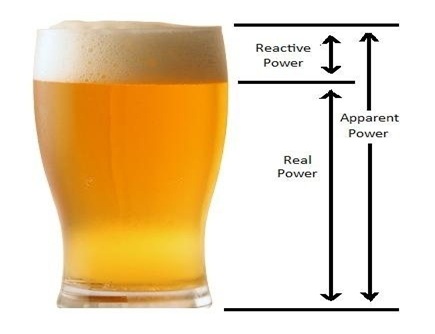
Almost every conversation about generator sizing starts with two numbers: kVA and kW. They sound similar, they're closely related, and they're almost always mis-used. The beer-glass analogy below is the fastest way to get them straight in your head — and once you do, every spec sheet in the catalogue suddenly makes sense.

A generator is really three machines bolted together: an engine, an alternator, and a controller. They each do one job, and they all have to talk to each other for the unit to behave properly.

Almost every customer who asks us 'should I get diesel or petrol?' gets the same answer: it depends on the duty. For occasional camp / weekend use under 8 kVA, petrol is cheaper to buy and lighter to move. For anything that has to start reliably after sitting unused — backup, standby, prime-power — diesel wins, almost always.