

Generac 10kVA GAS
Keep essential loads running without storing diesel on site. The Generac 10kVA GAS is a permanently installed standby generator built for automatic backup using natural gas or LPG. Its 10 kVA output class suits properly assessed residential and light-commercial loads.
When paired with a compatible automatic transfer switch, the system can monitor the mains supply, start the generator after an outage and transfer the selected circuits to backup power. That makes it a convenient solution for properties with an established gas supply and a need for hands-off outage protection.
CPS can help size the generator, select the transfer equipment and coordinate the electrical and gas-installation requirements.
- 10 kVA standby generator class
- Natural gas or LPG fuel supply
- Automatic standby operation when paired with a transfer switch
- Enclosed outdoor standby generator design
Industry-leading components, fully supported in Australia
Generac — Engine
Generac is an American power-generation specialist founded in 1959 in Wisconsin, USA, and the world's largest manufacturer of home standby generators. Generac's G-Force air-cooled OHVI engines are purpose-built for gaseous fuel duty (natural gas / LPG) with pressure-lubricated bearings, hardened valve seats and an integrated digital governor — engineered specifically for standby service rather than adapted from a small-engine platform. Backed by a 5-year limited factory warranty in the Australian market.
- Model
- 10kVA GAS
- Phase
- Single-phase
- Voltage
- 240 V
- Frequency
- 50 Hz
- Fuel
- Natural Gas / LPG
- Noise @ 7m
- 60-64 dB(A)
- Engine
- Generac
- Standby / LTP output
- 10 kVA
- Brand
- Generac
Learn more — Generator School
All guides →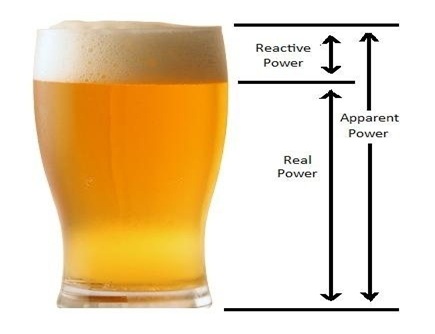
Almost every conversation about generator sizing starts with two numbers: kVA and kW. They sound similar, they're closely related, and they're almost always mis-used. The beer-glass analogy below is the fastest way to get them straight in your head — and once you do, every spec sheet in the catalogue suddenly makes sense.

A generator is really three machines bolted together: an engine, an alternator, and a controller. They each do one job, and they all have to talk to each other for the unit to behave properly.

Almost every customer who asks us 'should I get diesel or petrol?' gets the same answer: it depends on the duty. For occasional camp / weekend use under 8 kVA, petrol is cheaper to buy and lighter to move. For anything that has to start reliably after sitting unused — backup, standby, prime-power — diesel wins, almost always.