
Custom Order Generator
Some projects need more than an off-the-shelf generator. Capital Power Systems can configure a diesel, gas or hybrid power package around the load profile, starting currents, available space, runtime target and operating environment.
Options can include stainless-steel canopies, hot-dip galvanised bases, super-silent enclosures, open sets, synchronising panels, custom switchboards, remote monitoring, bulk fuel systems, exhaust treatment and site-specific distribution.
From concept and equipment selection through to installation, testing and handover, CPS can deliver a practical turnkey solution with ongoing service support.
- Built to the project load profile and operating duty
- Diesel, gas or battery-assisted configurations available
- Open, enclosed, super-silent and custom-skid options
- Custom controls, synchronising, fuel systems and site integration available
- Prime / PRP output
- Specified per project
- Phase
- Specified per project
- Fuel / energy source
- Diesel, natural gas, LPG or battery-assisted hybrid - specified per project
- Fuel options
- Diesel, natural gas, LPG or battery-assisted hybrid
- Build type
- Made to order
- Lead time
- Quoted per project
Learn more — Generator School
All guides →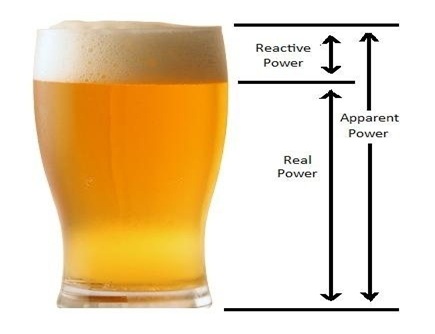
Almost every conversation about generator sizing starts with two numbers: kVA and kW. They sound similar, they're closely related, and they're almost always mis-used. The beer-glass analogy below is the fastest way to get them straight in your head — and once you do, every spec sheet in the catalogue suddenly makes sense.

A generator is really three machines bolted together: an engine, an alternator, and a controller. They each do one job, and they all have to talk to each other for the unit to behave properly.
Almost every customer who asks us 'should I get diesel or petrol?' gets the same answer: it depends on the duty. For occasional camp / weekend use under 8 kVA, petrol is cheaper to buy and lighter to move. For anything that has to start reliably after sitting unused — backup, standby, prime-power — diesel wins, almost always.